


 | ||||


Step 9 – Organize it all to put the plan into effect
Now that you know your part in the company, know what is expected of you, know the products and/or services that pertain to your department, know the goals and objectives expected of your department, developed a plan to achieve those goals and objectives, picked the right people for the job, have the materials needed for optimal efficiency, and made sure they have been fully trained, it’s time to organize it all and put the plan into effect. This is the time to make the physical moves, get the project underway, start the task, etc. It is imperative that everyone involved is fully aware of these moves, projects, and tasks and are fully prepared to make it happen.
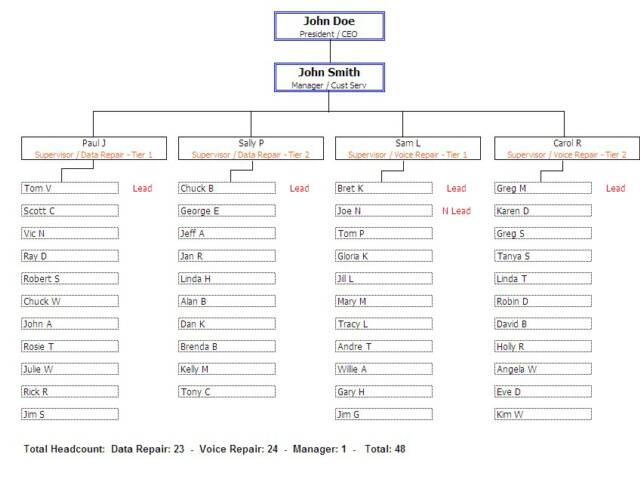
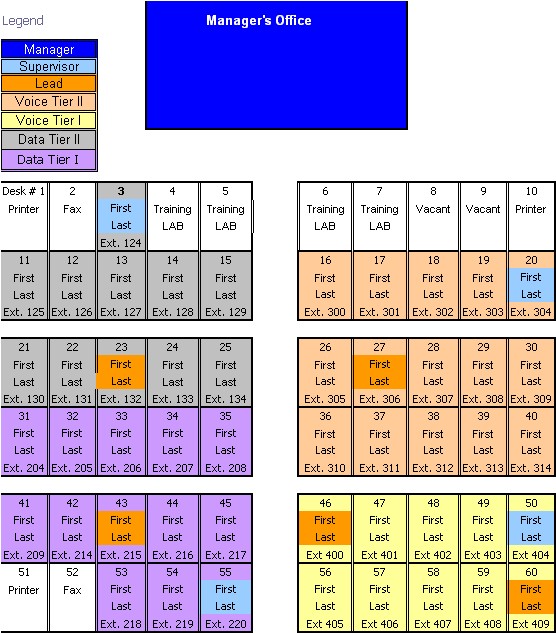
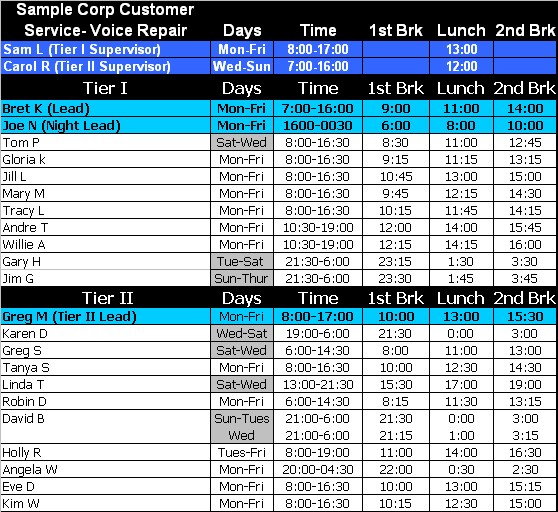
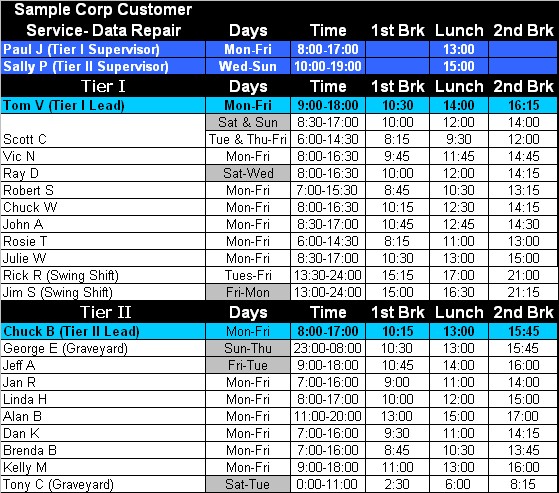
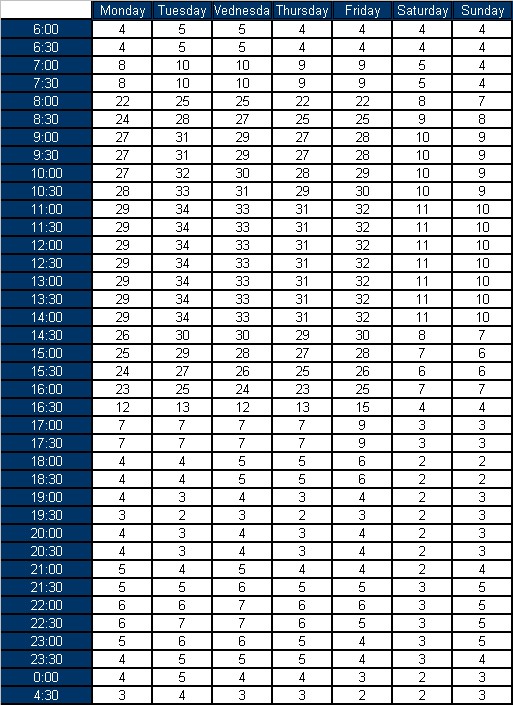
It is a good idea to utilize programs such as Visio or spreadsheets to make visual representations of your structuring plan such as organizational charts, schedules, and seating assignments. Enterprise iPBX’s are very beneficial for a call center phone system with incorporated reporting tools.
Using the same customer service example, it was decided that in order to achieve the goals, we first split the customer service technical support team into two sections: Voice Repair for telephone service, and Data Repair for Internet service. It was determined that you needed supervisors for each group and lead technicians to provide support for the technical support representatives. This was based on measuring call volume, time on the call, time it took to fix the problem, trending future call volume based on POS (point of sale, pronounced “paws”) reports, determining the need for 24/7 coverage, and customer satisfaction results. Here are some visual examples of the restructuring plan:



By deciding and planning correctly, your staff will understand what is expected of them and their place within the organization. Putting your head in the sand and hoping for the best will inevitably catch up to you. Always plan ahead. Here are some planning pointers to follow:
· Utilize your resources to their optimal performance. If you have a great plan and do not have the resources, then you need to back up that plan with documented reasoning on why you need more staff, equipment, seating area, etc. to upper management.
· Look at all the possible scenarios and make sure there are clear benefits to each decision.
· When in doubt map it out. That is what the white board is for and you should use it whenever possible. Visually looking at possible structure changes makes things so much easier.
· Hold daily meetings with your supervisors to make sure the plan will work as good in real life as it looks on paper. They will be the ones who will be in direct contact with the employees on a daily, if not hourly basis, and you want to make sure they are happy with the plan.
· Make sure you get your employees suggestions, as they are the ones in the trenches who really know which processes work and which don’t.
Again, even though we are using customer service as an example of a department to manage, the same principles apply to most any management scenario.
Point to keep in mind: You always want to keep your boss informed before making any changes or implementing any plans. By giving well-documented processes, procedures, and laid out plans, you will look good as well as make your boss look good. Upper management expects this type of detail to achieve success from you, the manager.
| ||||